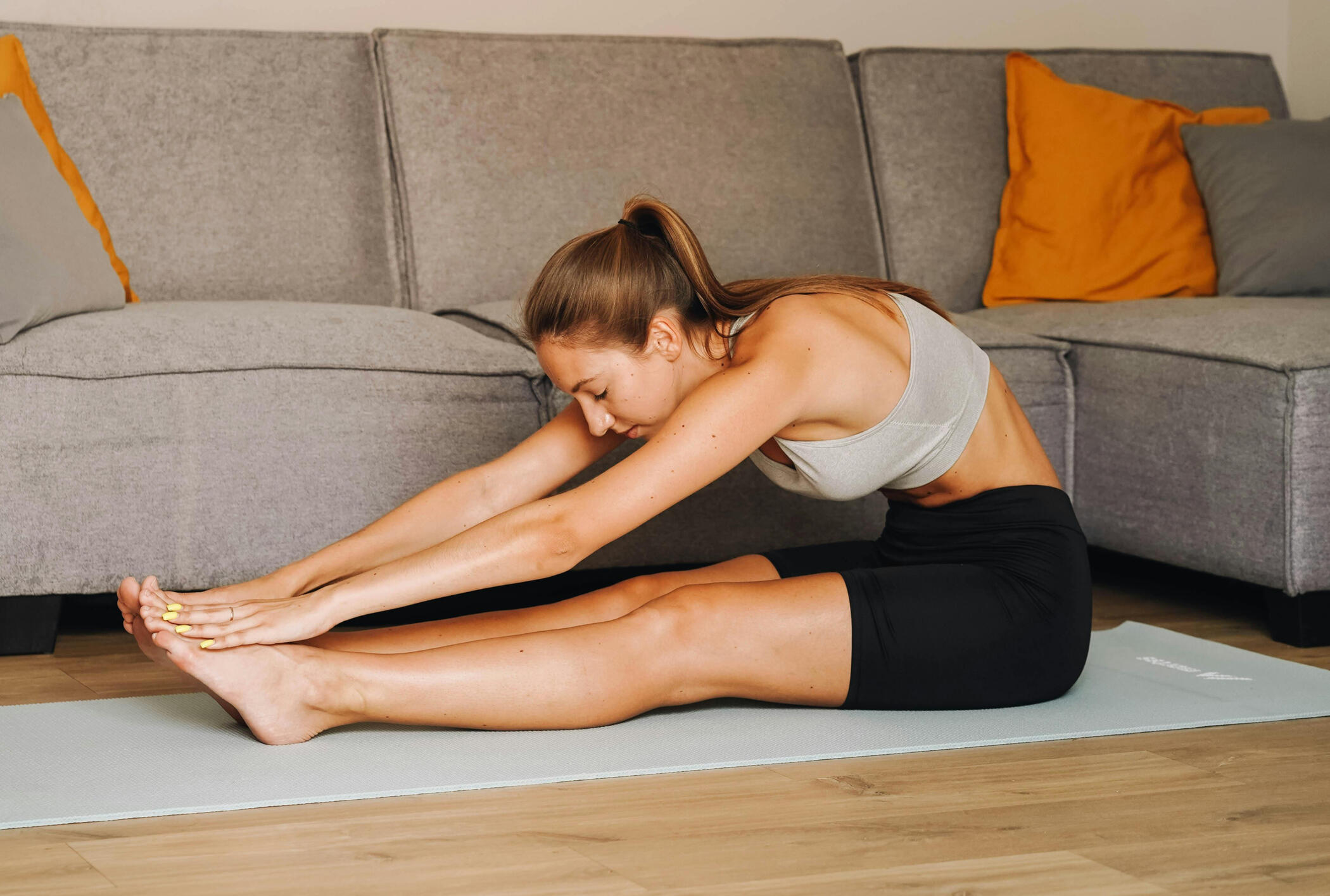
Why Stretching Longer Doesn’t Always Improve Flexibility
A different way to approach flexibility using short, targeted routines.
THE SCIENCE OF FLEXIBILITY
Why Traditional Stretching Often Feels Ineffective
Most people assume flexibility improves by holding stretches longer or pushing deeper.But flexibility is influenced by how your nervous system responds — not just how far you stretch.When the body senses strain, it often resists by tightening up. That’s why long, passive stretching can feel uncomfortable and produce slow or inconsistent progress.Some approaches focus instead on short, targeted movements designed to work with the body’s natural reflexes rather than against them.
Your Path to Flexibility
The next page walks you through a structured flexibility approach that focuses on specific muscle groups rather than long stretch sessions.It explains how short routines are organized for different areas of the body and how brief sessions are commonly used as part of a regular stretching practice.
Trusted by over 1 million people worldwide
As an affiliate, I earn from qualifying purchases.